Carbon monoxide safety & CO detector guide
Carbon monoxide (CO) is an invisible, odourless gas. A FireAngel carbon monoxide detector alerts you to dangerous levels, helping keep UK homes and family safe.
Do you work in
Trade?
Carbon monoxide (CO) is an invisible, odourless gas. A FireAngel carbon monoxide detector alerts you to dangerous levels, helping keep UK homes and family safe.
A carbon monoxide detector, often called a CO alarm, is a safety device that monitors the air in your home for carbon monoxide gas.
If carbon monoxide is detected at dangerous levels, the alarm will emit a loud audible warning so you can take action quickly.
Carbon monoxide is produced when fuels burn incompletely. Because the gas cannot be seen or smelled, a detector provides an essential early warning that could prevent serious illness or even save lives.
CO alarms are designed to protect households by:
For this reason, installing a carbon monoxide alarm in your home is strongly recommended for every property with fuel-burning appliances.

Carbon monoxide is often referred to as the “silent killer” because it is impossible to detect without specialised equipment.
Exposure to carbon monoxide can cause serious health problems, including:
In severe cases, prolonged exposure can be fatal.
Common sources of carbon monoxide include:
Carbon monoxide can also travel through walls, ceilings and ventilation systems, meaning a leak in a neighbouring property could still pose a risk.
Installing a CO detector alongside smoke alarms is therefore a key part of a complete home safety system.
For further medical support on Carbon Monoxide poisoning, please visit the NHS website.
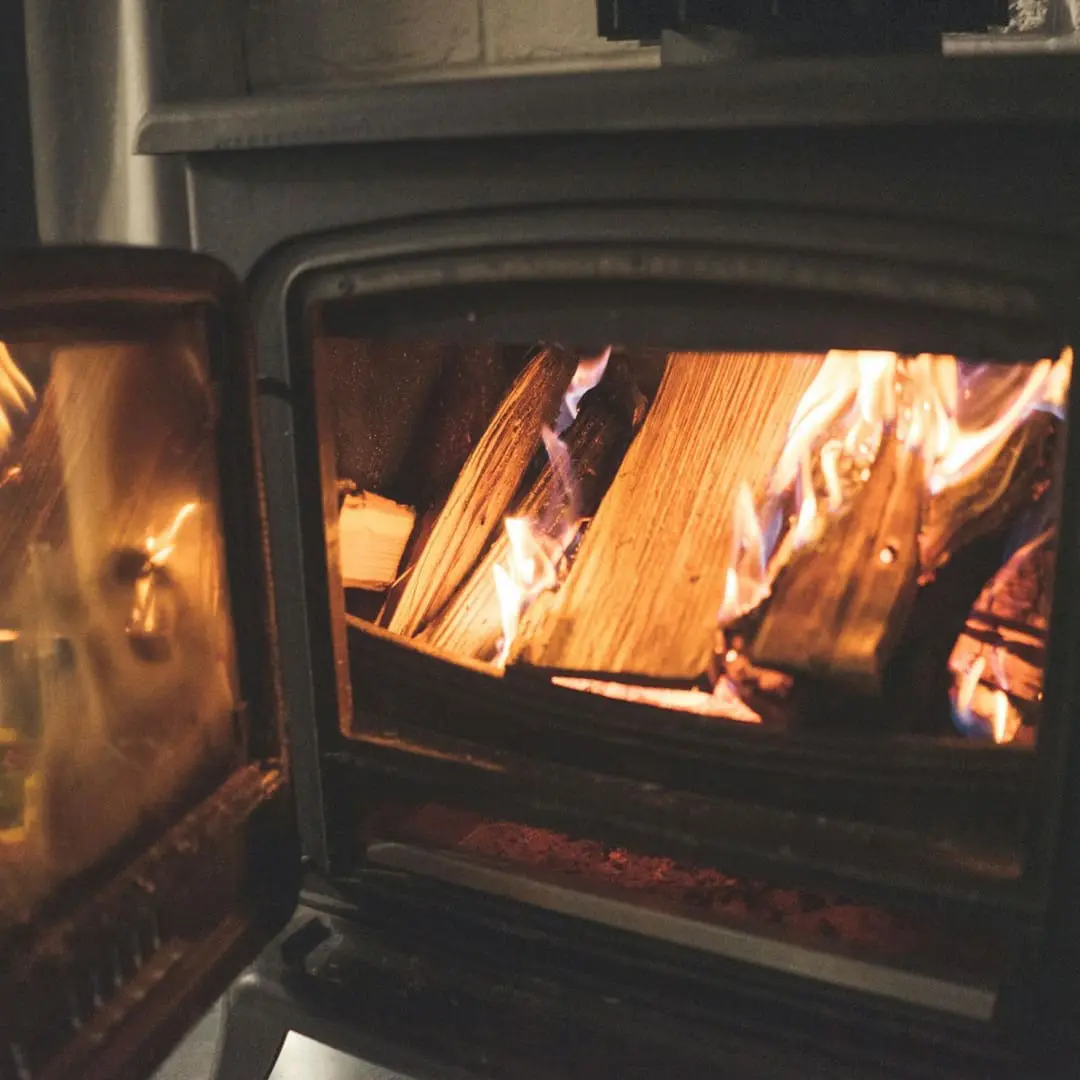
A carbon monoxide detector continuously monitors the air for CO gas using specialised sensors. When carbon monoxide reaches a dangerous level, the detector will trigger a loud alarm to alert occupants, giving them time to ventilate the area and seek professional help.
Modern CO alarms are designed to detect carbon monoxide at levels that could affect health over time. This means the alarm activates before the gas reaches concentrations that are immediately life-threatening.

A clear high-decibel sounder activates before CO reaches life-threatening concentrations.

Visual cues show power, fault and alarm states at a glance.

Single-button testing and easy hush function for everyday peace of mind.

Selected models offer up to 10 years of tamper-proof protection.

A built-in alert signals when the alarm nears the end of its service life, prompting you to replace it before protection lapses.
Compare battery, sealed and smart connected alarms in our range.
Learn moreCorrect placement of a carbon monoxide alarm is essential for effective protection.
For best results, CO detectors should be installed:
If your home has multiple fuel-burning appliances, installing several carbon monoxide alarms throughout the property provides the most comprehensive protection.
If your alarm is mains powered, it will need to be installed by an electrician.
For additional placement guidance, please read our blog on Installing your battery powered Carbon Monoxide detector.
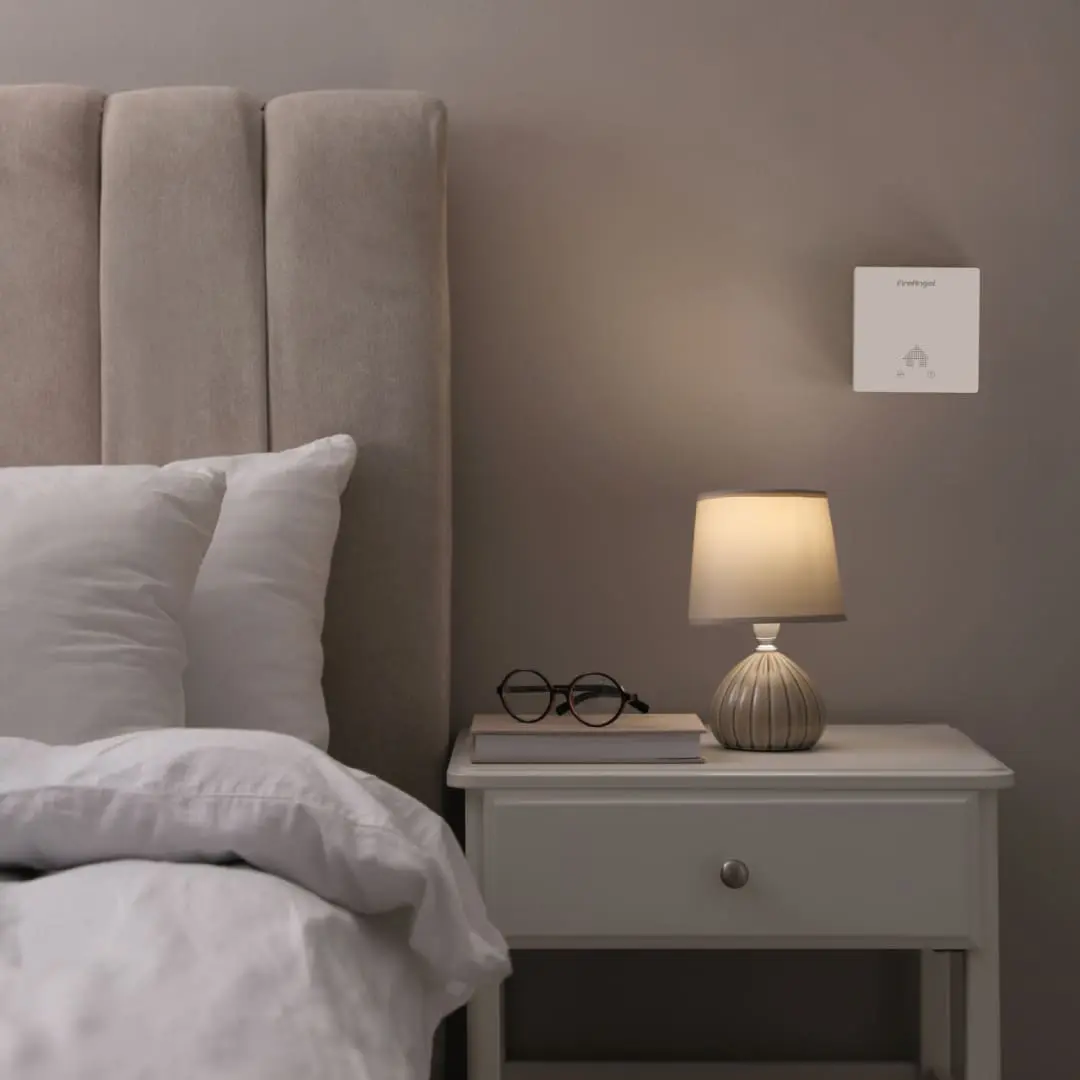
Choosing the right carbon monoxide alarm depends on your home, appliances and preferred features.
When selecting a CO detector, consider factors such as power source, sensor technology and certification.
Different alarm types offer different benefits:
Easy to install with batteries you can replace when needed. Suits most homes.

Sealed batteries last up to 10 years and can't be removed, reducing the risk of tampering.

Connects with other alarms for whole-home protection, with extra safety features and notifications.

A built-in screen shows real-time CO levels, letting you spot rising concentrations before the alarm triggers.

Hardwired into the home's electrical supply for permanent power, with a battery backup keeping protection active during outages.
In the UK, carbon monoxide alarms should meet the BS EN 50291 safety standard.
This certification confirms the alarm has been independently tested to detect CO accurately and reliably in residential environments.
When choosing a carbon monoxide alarm, always look for:
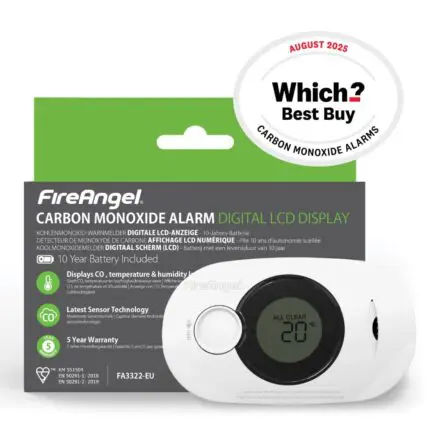
With a clear digital display the FA3322-EUX10 features latest CO sensing technology and BSI...
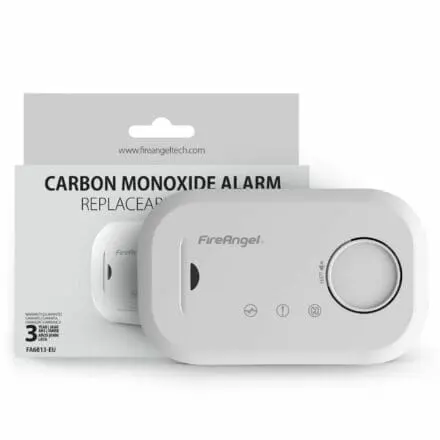
FA6813-EUX10
With electrochemical sensing technology and a clear loud alarm, the FA6813 provides trusted carbon...
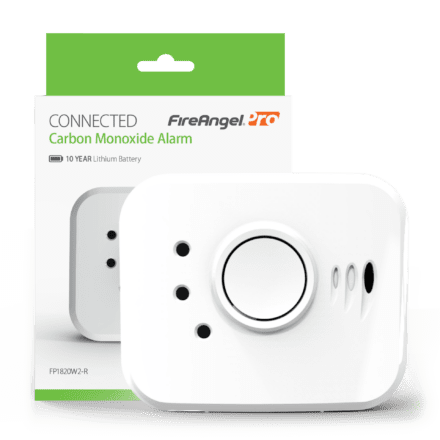
FP1820W2-R
With enhanced sensing, multiple installation styles and the option to enable alerts and test via...
Our customer support specialists are based in the UK and can help with product advice, installation queries and troubleshooting.
Phone, email or live chat - whichever suits you best.
Yes. If your home contains fuel-burning appliances such as gas boilers, stoves or fireplaces, installing a carbon monoxide alarm is strongly recommended to detect dangerous CO leaks.
A CO alarm should typically be installed 1–3 metres from fuel-burning appliances and in rooms where people spend significant time, such as living rooms and bedrooms.
Most carbon monoxide detectors last between 5 and 10 years, depending on the model and sensor technology. Always check the manufacturer’s guidance for the expected lifespan.
No. Carbon monoxide is colourless, odourless and tasteless, which is why a carbon monoxide detector is the only reliable way to identify a leak.
If your carbon monoxide alarm activates:
CO₂ (carbon dioxide) is a normal gas that people and appliances produce and is generally harmless at typical levels in a home. CO (carbon monoxide) is a dangerous, invisible gas created by faulty or poorly ventilated fuel-burning appliances and can be deadly if it builds up indoors.
Visit our CO safety blogs for further guidance and practical advice.