Are you a
Homeowner?
Are you a
Homeowner?
In short:
The tragic death of Awaab Ishak brought widespread criticism and attention to social housing providers. This is reflected in the fivefold increase in resident complaints regarding living conditions, highlighting the increased scrutiny social housing providers are now navigating along with stricter legislated responsibility. Best practice in managing large housing portfolios is largely considered to be proactive oversight, utilising interlinked alarms to alert multiple residents at once with smart features to assess risk to inhabitants and property in real time.
With providers spending a record £9bn on repairs and maintenance in the 12 months to March 2025, the need for intelligent alarm systems that protect both residents and property assets is becoming increasingly critical to effective portfolio oversight.
As regulations tighten, the integration of Internet of Things (IoT) devices and smart sensors is evolving from an innovation into a necessity. However, the true value of this technology is in how these devices are selected and networked together to efficiently monitor property status both comprehensively and cost-effectively.
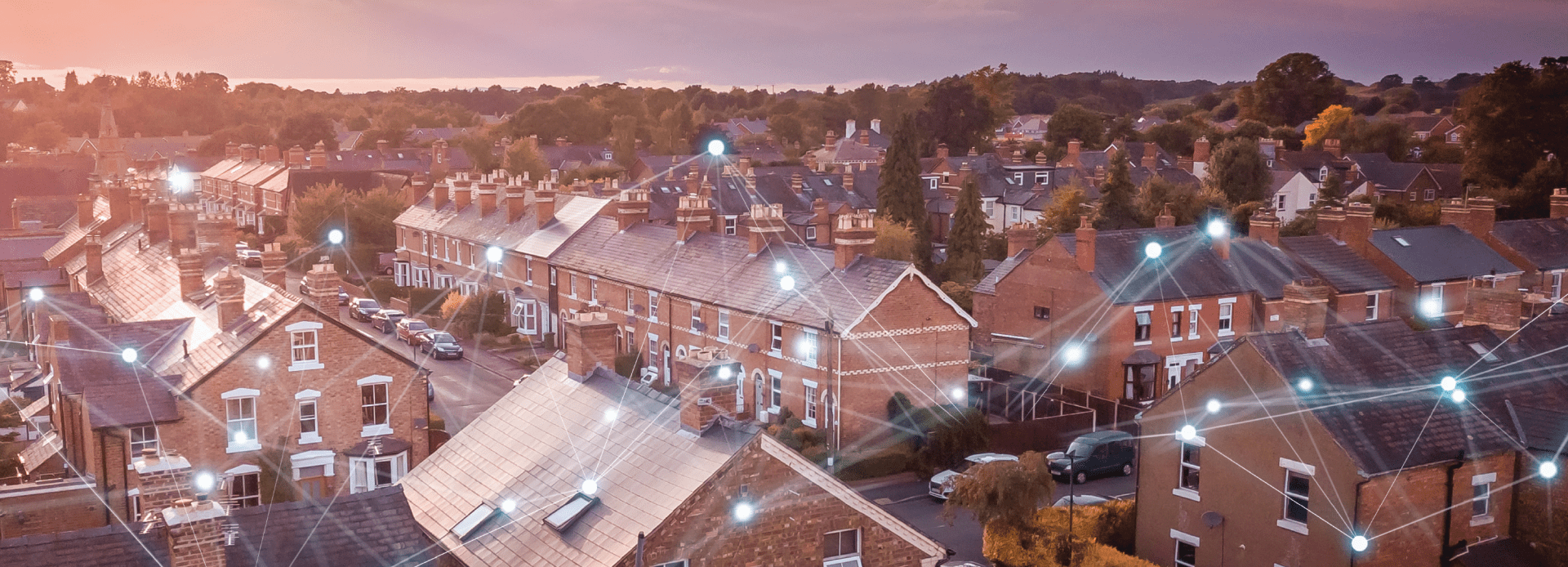
By moving away from standalone units toward tailored safety networks, housing providers can gain a holistic view of their portfolio. These networks do more than just sound an alarm; multi-alarm configurations can provide data-driven insights into building disrepair, fuel poverty, and environmental risks like damp and mould.
For example, consider a resident with hearing loss who may not respond to a standard alarm. A tailored network allows for the installation of specialised interlinked solutions, such as strobe lights or vibrating pads, while simultaneously alerting the landlord to frequent triggers. This level of detail allows for early intervention, potentially preventing a small maintenance issue from escalating into a costly emergency or worse, a life-threatening incident.
In today’s climate, reputation is a commodity that social housing providers cannot afford to squander. With 92% of housing professionals expressing concern over sector reputation, the ability to demonstrate effective risk management is vital.
While financial cost is always a factor, the opportunity cost of sticking with traditional, disconnected systems is high. Manual inspections and emergency repairs are resource-heavy. In contrast, a bespoke safety network allows for strategic resource allocation, identifying where insulation upgrades or heating repairs are actually needed before the property degrades.
Furthermore, while Scotland already mandates connected alarm systems, the rest of the UK is under increasing pressure to follow suit. Implementing a scalable, tailored network now ensures that providers are not just compliant with today’s laws, but prepared for tomorrow’s standards.
Technology is a powerful tool, but it is most effective when it is customised to the specific needs of a community. Interlinked smoke, heat, and carbon monoxide alarms, combined with environmental sensors, provide the oversight necessary to protect the welfare of vulnerable residents and the long-term value of housing stock.
By moving toward a considered model of proactive monitoring, providers can move beyond simple compliance to fit-for-purpose and intelligent systems. However, every property portfolio is different and each requires a bespoke solution to most effectively protect both residents and dwellings.
Ready to enhance your resident safety strategy? Get in touch with the FireAngel team today to discuss how we can help you design and implement a tailored safety network for your portfolio.
If you can't find what your looking for on our blogs and looking for further guidance and advice, our UK-based Customer Support team are on hand all week from 8:30am until 5:30pm, they can answer any further queries you may have on our products, solutions or services.