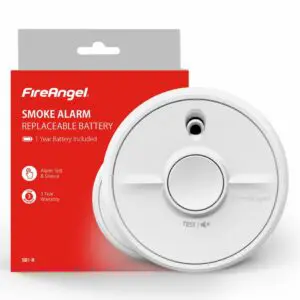
Keeping your home safe from fire and carbon monoxide is essential, and having the right alarms correctly installed is the first step in protecting your family.
Smoke Alarms: How to install them safely
Smoke alarms are the most common form of home fire protection, designed to detect smoke early and give your family time to escape.
Where to position smoke alarms
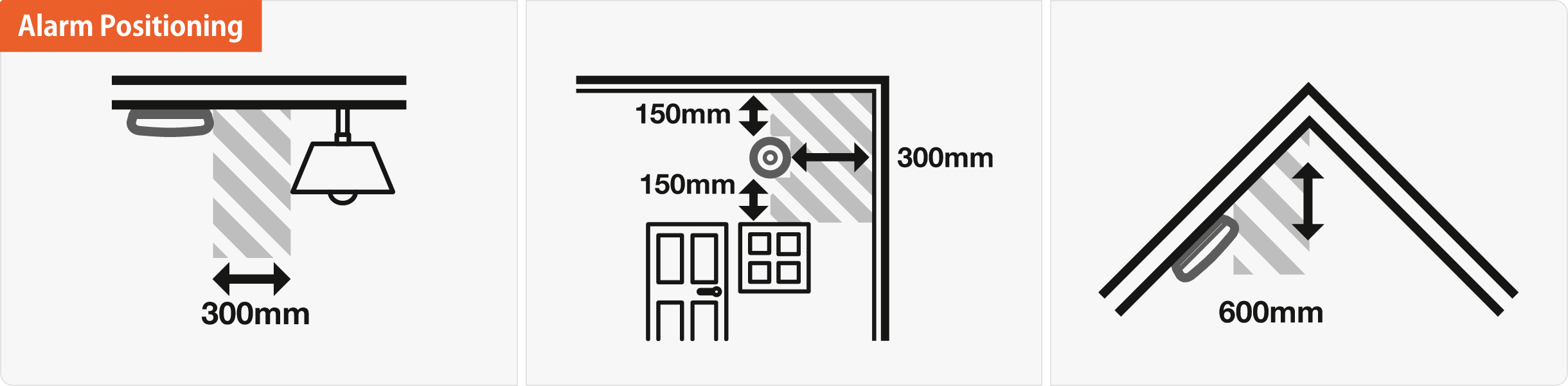
- Ceiling installation: Place the alarm at least 300mm from walls and light fittings, ideally in the centre of the room.
- Wall installation: Position the alarm 300mm from the nearest wall and between 150mm-300mm below the ceiling.
- The alarm should be no more than 600mm vertically below the highest point in the room.
Step-by-Step installation
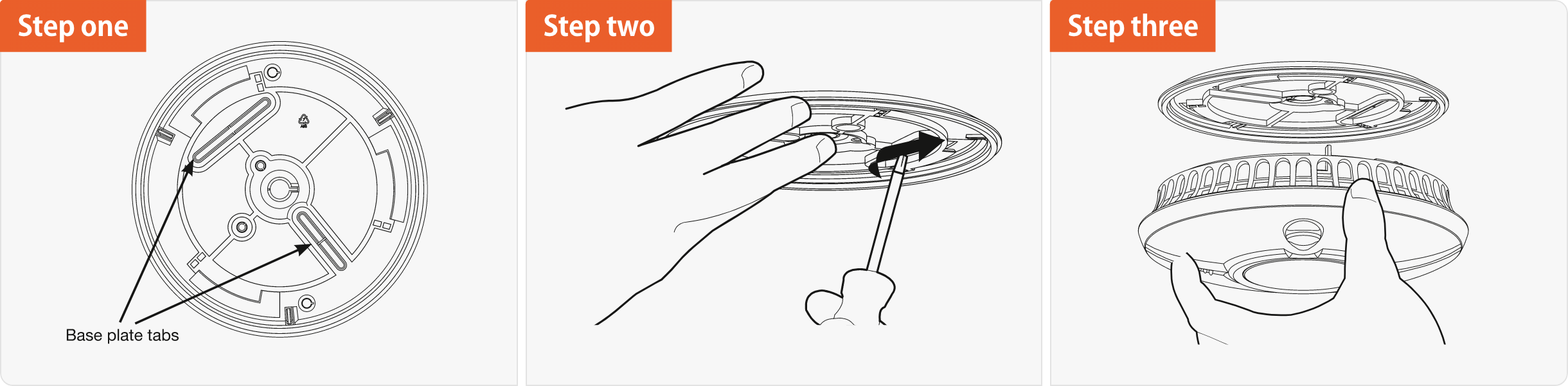
- Prepare the base plate: Break out the tabs and use the fixing slots as a guide for your drill holes. Insert the plastic fixing anchors if needed.
- Secure the base plate: Use the screws provided to fix it firmly to the ceiling or wall.
- Install batteries (if applicable): Follow the instructions in the manual for non-sealed battery alarms.
- Attach the alarm: Position it on the base plate and twist clockwise until fully locked. The battery will activate automatically.
- Check the LED indicator: A red LED should flash approximately every 45 seconds to show the alarm is active.
For more details on smoke alarm options and installation types, see FireAngel smoke alarms here.
Heat Alarms: Perfect for kitchens and garages
Heat alarms detect rapid rises in temperature, making them ideal for areas where smoke or steam could trigger false alarms.
Placement tips
- Place on the ceiling, ideally in the centre of the room.
- Ensure no more than 5.3m from the farthest wall, any room door where a fire could start, and the next heat alarm.
- Heat alarms should never be wall-mounted and should not be used as escape route alarms.
Step-by-step installation
- Attach the mounting plate: Secure it to the ceiling with the screws provided.
- Install batteries (if applicable): Follow the instructions in the manual.
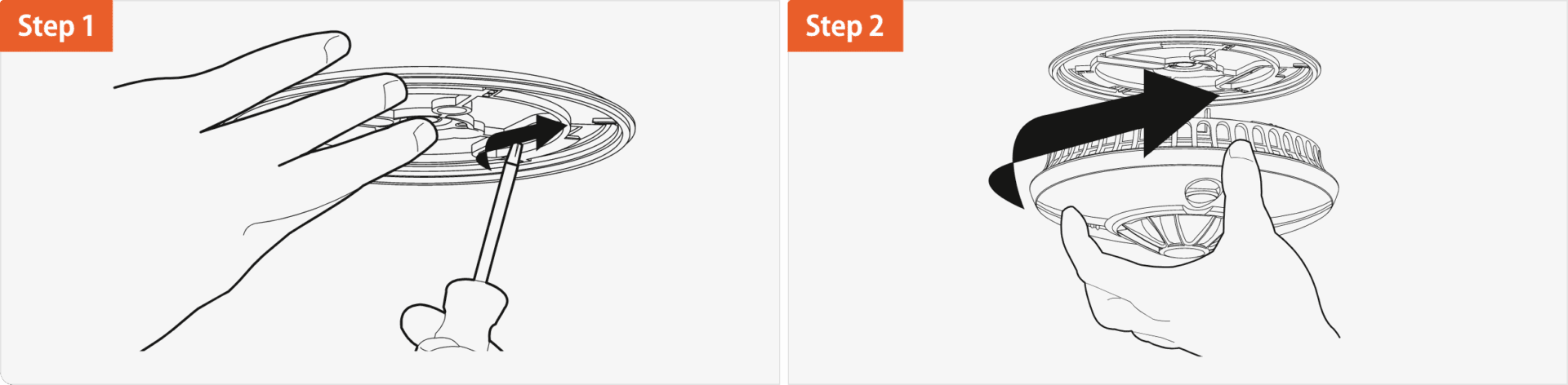
- Mount the alarm: Place it on the plate and twist clockwise until fully locked.
- Check the LED indicator: The red LED should flash once every 45 seconds. Wait 5 seconds, then test the alarm to confirm it is functioning correctly.
Find our range of FireAngel heat alarms here.
Carbon monoxide (CO) alarms: Protect your home from a silent killer
Carbon monoxide is a colourless, odourless gas produced by fuel-burning appliances like boilers, gas stoves, and fireplaces. A CO alarm is essential for detecting dangerous levels of the gas before it harms occupants.

Where to position CO alarms
- Install in every room containing a fuel-burning appliance and in all sleeping rooms.
- Additional alarms may be needed in rooms where occupants spend a lot of time but cannot hear other alarms.
- In rooms with appliances: place 1–3m horizontally from the potential source; on the same side of partitions as the source.
- For sloped ceilings, position alarms at the high side of the slope.
Wall-mounted CO alarms
- Close to the ceiling, above doors or windows, at least 150mm below the ceiling.
Ceiling-mounted CO alarms
- At least 300mm from walls and ceiling obstructions like light fittings.
Sleeping rooms or rooms without appliances
- Place near the breathing zone of occupants.

Step-by-step installation
- Choose installation method: FireAngel CO alarms can be freestanding or wall-mounted with supplied kits.
- Install batteries (if applicable): Follow the manual instructions.
- Activate the alarm: Remove the disabling clip; the green Power LED flashes once per minute when active.
- Test the alarm: Press the Test/Silence button briefly. The sounder will sound, and the Alarm LED illuminates red. Note it may take up to 1 minute for full activation.
Learn more about our range of FireAngel Carbon Monoxide detectors here.
For CO safety advice, visit our Carbon Monoxide Safety page and see the NHS guide to carbon monoxide poisoning. If you suspect a gas leak, call the National Gas Emergency Service immediately.
Keeping your home safe
Installing smoke, heat, and CO alarms is a simple but essential step in protecting your home and family. Use this quick checklist to ensure your alarms are working effectively:
- Fit smoke alarms on every level of your home, particularly in sleeping areas.
- Install heat alarms in kitchens and utility rooms.
- Place CO alarms near fuel-burning appliances and in sleeping areas.
- Follow installation instructions carefully, and use a qualified electrician for mains-powered alarms.
- Test all alarms regularly and replace batteries when needed.
If after reading this guide you still need some help installing your FireAngel alarm, please consult your product manual. For further support, please reach out to our dedicated Customer Support team.