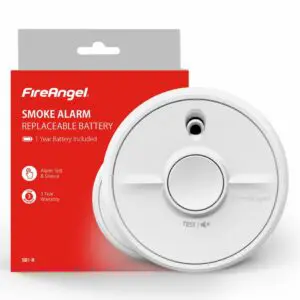
Understanding the difference between carbon monoxide and natural gas is essential for home safety – here’s how to make sure you’re fully protected.
If you already have a carbon monoxide (CO) alarm in your home, you’re taking an essential step to protect your household from an invisible but potentially deadly danger. But what happens if you suspect a gas leak – will a carbon monoxide alarm detect gas? The answer is No.
It’s a common question, and understanding the difference between natural gas and carbon monoxide is crucial for keeping your home and family safe.
The difference between natural gas and carbon monoxide
Although both pose serious risks, carbon monoxide and natural gas are not the same, and your detectors respond to only one of them.
- Carbon Monoxide (CO) is a colourless, odourless and highly poisonous gas created by incomplete combustion. Faulty fuel-burning appliances like boilers, gas fires, or wood burners can produce CO, and even low levels can be harmful over time.
- Natural Gas (or LPG) is a fuel, not a by-product. It’s widely used in UK homes to power heating and cooking appliances. It’s not poisonous in the same way CO is, but a leak can be dangerous because gas is flammable. To help homeowners detect leaks, suppliers add a strong, unpleasant smell – often described as rotten eggs – that acts as a built-in warning sign.
Because of these chemical differences, a carbon monoxide detector is designed only to sense CO. It won’t pick up natural gas or LPG in the air. So, if you notice the tell-tale smell of gas but your CO alarm remains silent, that doesn’t mean your home is safe.
For clear guidance on how to handle a gas leak, read this Gas Safe Register article to ensure you’re fully prepared.
Why a CO detector won’t go off during a gas leak
A gas leak can pose a risk long before carbon monoxide is ever produced. A CO alarm will only sound when carbon monoxide is present – not the unburned gas itself. If leaked gas builds up in a confined space and meets a spark, it can lead to a serious explosion or fire.
For this reason, it’s best to use both CO alarms and dedicated gas detectors. For example, FireAngel’s Carbon Monoxide Alarms provides reliable protection from CO exposure, while a separate natural gas detector will alert you to leaks as soon as they occur.
Do I need a carbon monoxide alarm?
Yes – absolutely. Carbon monoxide is often called the “silent killer” because it’s impossible to detect without a working alarm. In the UK, installing a CO alarm is now a legal requirement in many homes, particularly in rooms with fixed combustion appliances.
Certified to British standards, FireAngel’s CO detector range will alert you to dangerous levels of CO, giving you time to act before harm occurs. For full protection, pair your CO alarm with a natural gas detector – together, they offer layered defence against both poisonous gas exposure and flammable leaks.
For additional guidance on installation and maintenance, our blog on how many carbon monoxide alarms you should have and where to install CO alarms is a helpful read for homeowners. Likewise, get in touch with our Customer Service Team who can provide advice on installation, product selection, and technical support with our CO alarms.