Christmas is a time for warmth, joy and celebration – but also a time when fire risks in the home rise sharply.
Did you know more house fires happen at Christmas than any other time of year? As you deck the halls, cook feasts, and cosy up by the fire, it’s worth taking a few extra minutes to stay safe. Here are 12 potential hazards and how to avoid them this festive season.
1. A real Christmas tree that isn’t watered enough
If you’re using a natural Christmas tree – make sure you water it daily. A dry tree is highly flammable and can ignite rapidly if exposed to a spark or heat.
If you choose an artificial tree, check that it’s labelled fire-retardant (though bear in mind this only slows fire spread, it doesn’t make it fireproof).
Tips for a real tree: choose a fresh tree (needles should stay green and not fall easily), cut a small slice off the base before placing it in a stand so it absorbs water more easily – and keep that water topped up every day. Once the tree starts shedding lots of needles, that’s a warning sign.

2. Christmas lights with damaged wires or lacking UK-safety certification
Festive lights, fairy lights and other electric decorations are a huge part of the Christmas atmosphere, but only if used safely. Before switching them on, carefully inspect all cables, plugs and sockets for wear, frays, or damage. If you see loose wires, scorch marks or cracked sockets, don’t use them.
Always choose lights and electrical decorations that carry valid safety marks (BSI Kitemark / UKCA / CE, as appropriate). Many UK fire-safety guides emphasise using only certified products.
Finally, unplug lights before going to bed or leaving the house. Electrical faults are a common cause of December fires.
3. Candles, tea-lights, oil burners
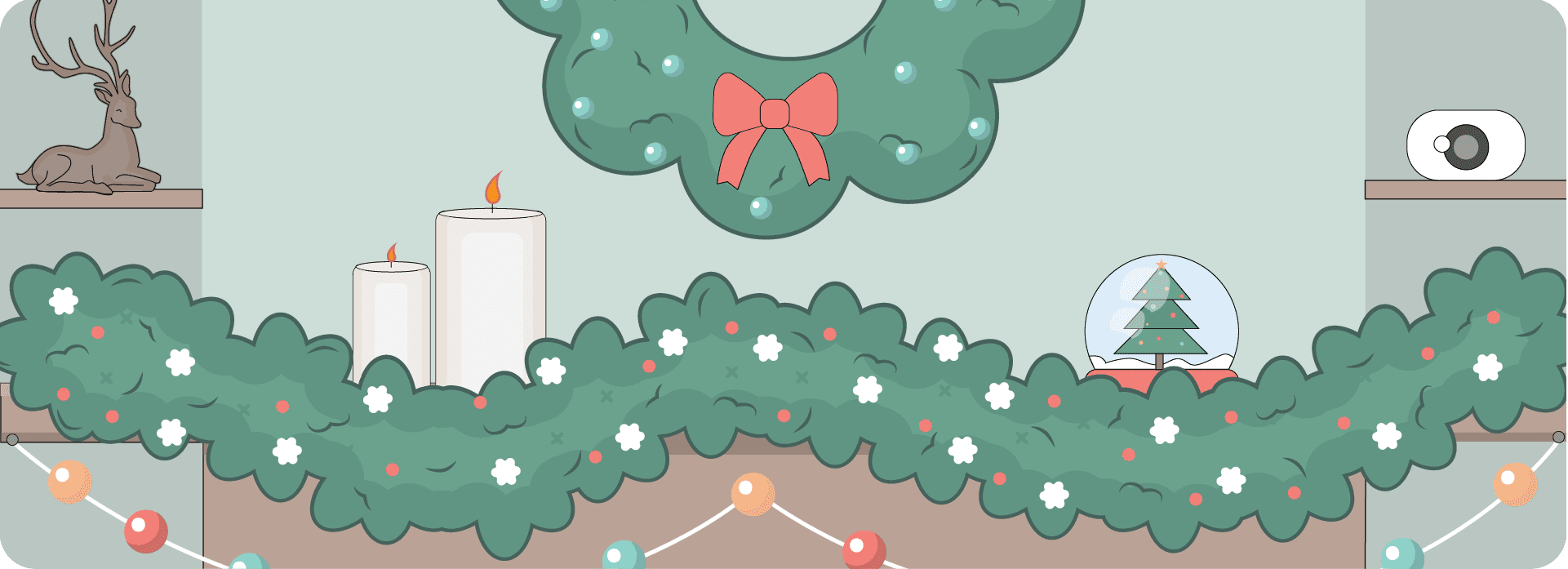
Candles are a traditional part of many festive homes — but they’re also a leading cause of accidental house fires around Christmas.
If you want to utilise open flame candles and burners, make sure they are:
- in proper heat-resistant holders on stable surfaces, not near curtains, cards, wrapping paper, or decorations
- always extinguished before you leave the room or go to sleep
- placed well out of reach of children and pets
If you want festive ambience without the risk – consider LED or battery-operated candles instead.
4. Cooking – especially unattended cooking
Christmas dinner often means roasting, frying, bubbling pans, hot oil — and sometimes distractions. Cooking remains one of the top causes of home fires in the UK, especially during festive periods.
When cooking:
- Never leave pots or pans unattended, especially when cooking with oil or fat; these can ignite if overheated
- Keep flammable items away from the cooker: oven gloves, dishtowels, food packaging, wrapping paper, etc.
- Avoid cooking if you’ve been drinking or you’re very tired, as many fires arise when people are distracted
- Have a heat alarm installed in your kitchen rather than relying solely on a smoke alarm. Smoke alarms can trigger false alarms from steam, but heat alarms can detect dangerous temperature rises due to real fires.

5. Smoke, heat and carbon monoxide alarms not tested
Before the festive season begins, test every smoke alarm, heat alarm, and carbon monoxide (CO) alarm you have. Replace batteries or units if needed. Many fire safety authorities recommend testing alarms regularly (e.g. weekly or monthly).
If you discover a fault with your alarms – now’s the time to install new ones, especially in high-risk areas: kitchen, hallway, living rooms, and near fireplaces.
6. Fireplace maintenance
A real fire or log burner can create a wonderful festive ambience, but only if used with care. If you use a fireplace or log burner:
- Make sure your chimney and flues are professionally swept regularly (especially before winter) to reduce build-up of soot and creosote – a common cause of chimney fires and potentially dangerous smoke or carbon monoxide. Many fire services advise this as a key winter safety step.
- Use a fireguard or spark guard to prevent embers or sparks from flying out and landing on rugs, carpets or decorations.
- Keep logs, kindling, blankets, cards, wrapping paper and other flammable items well away from the fire. Never use the fireplace area to store combustible items or dry clothes.
- And of course: never leave a fire unattended, and make sure the fire is fully out before you go to bed or leave the house.
7. Overloaded sockets and extension-lead misuse
Christmas time often means extra plug-ins all over the house: lights, heaters, chargers, kitchen gadgets. Overloading sockets or “daisy-chaining” extension leads is a frequent cause of electrical fires in UK homes.
To avoid this hazard:
- Use one extension lead per socket. Avoid chaining multiple extensions or adaptors.
- Be aware of load ratings: high-draw appliances (heaters, kettles, ovens) should be spread across different circuits if possible.
- Use certified, good-quality extension leads (look for BSI / UK safety marks).
- Don’t run leads under rugs or furniture where damage or heat build-up might go unnoticed.
8. Portable heaters placed too close to decorations, trees or curtains
Many households rely on portable heaters in winter — but if used incorrectly, they can spark serious accidents. Fire services remind homeowners to treat heaters with the same caution as any heat source. Royal Berkshire Fire and Rescue Service+1
If you use a heater this winter:
- Place it on a stable surface.
- Keep at least 1 metre clear space around it: away from curtains, trees, cards, wrapping paper, furniture.
- Plug the heater directly into a wall socket – never into an overloaded extension lead or adaptor.
- Never leave heaters unattended: switch them off when leaving the room or going to sleep.
9. Blocking escape routes
With all the chaos of present wrapping, decorations, extra furniture or bedding for guests, it’s easy to clutter hallways, stairs, and doorways. However, in the event of a fire, blocked exits seriously increase risk and slow down escape. Many UK fire safety guides stress the importance of clear escape routes at all times.
Take time before the festive rush: plan and visualise your escape routes; ensure all exit pathways remain clear, even with lots of Christmas stuff around. If you have guests, make sure they know the way out too.
10. Curious paws and tails could spark danger
Our pets are part of the family, but their curiosity can inadvertently create fire hazards. Some common risks:
- Knocking over candles or tea-lights: a wagging tail or playful paw might topple a lit candle onto flammable materials.
- Chewing electrical cords or fairy-lights: especially for kittens or puppies, exposed wires can create sparks or shorts.
- Jumping onto radiators, heaters or stoves: potentially switching them on or knocking objects onto them.
If you have pets, it’s worth being extra cautious: hide cords, keep heaters and open flames out of reach, and never leave lit candles unattended in rooms pets access.
11. Outdoor lighting exposed to rain, damp or snow
Many households now decorate outside: porches, windows, gardens. But if you use indoor-only lights outdoors (or non-weatherproof strands), exposure to rain, damp or snow can cause short circuits – risking electrical fires or shocks.
Tips for outdoor lighting safety:
- Use outdoor-rated, weatherproof lights only.
- Ensure plugs and sockets are suitable for outdoor use (and protected if required).
- Secure installations properly: avoid using nails or staples that could pierce insulation.
- Turn off and unplug lights when not needed (especially overnight or when you’re not home).
12. Battery-powered toys and gadgets overheating — risk from poor-quality batteries or chargers
Christmas often means new toys, gadgets, chargers – many of them battery-powered (especially rechargeable lithium-ion batteries). Unfortunately, cheap or sub-standard chargers or batteries, or leaving devices charging unattended, is a known fire risk.
To reduce this risk:
- Buy toys and gadgets only from reputable retailers who comply with UK safety standards (BSI / UKCA / CE).
- Use only the charger supplied with the device (or manufacturer-recommended replacements). Avoid cheap or incompatible chargers or cables.
- Never leave devices charging unattended overnight.
- Charge devices on a non-flammable, heat-resistant surface (not on sofas, beds, carpets, or near curtains).
- Dispose of old or damaged batteries safely, using proper recycling routes, instead of throwing them in regular waste.
Keep safe this festive period with FireAngel
Before you pull any crackers or tuck into the turkey, take a moment to test your smoke, heat and carbon monoxide alarms. A quick check now can give you peace of mind and help keep your home safe throughout the festive season. Staying aware of potential hazards means you can focus on enjoying time with friends and family.
From everyone here at FireAngel, we wish you a safe, warm and very Merry Christmas.


