A smoke alarm is one of the most important safety devices in any home. When it sounds without a clear reason, it can be frustrating and even cause unnecessary worry. Understanding the causes helps reduce false alarms and reassures you that your alarm is still protecting you and your family.

Why your smoke alarm might go off without smoke
1. Steam from showers or bathrooms
Steam contains tiny water droplets that resemble smoke particles. If your alarm is positioned too close to a bathroom, steam from showers or baths can trigger it.
Tip: Install alarms slightly away from bathrooms or use specialist alarms designed to reduce steam interference.
2. Cooking fumes and burnt food
Cooking produces small particles that can set off smoke alarms, especially if food burns or if the alarm is close to the kitchen.
Tip: Place smoke alarms at least a few metres from cookers. In kitchens, heat alarms are a better choice than smoke alarms.
3. Dust build-up inside the alarm
Dust can collect in the sensing chamber, making the alarm more sensitive and more likely to trigger.
Tip: Gently vacuum around your alarm every few months to reduce dust build-up.
4. Insects or small particles entering the sensor
Small insects or airborne debris may get inside the alarm and disturb the sensor.
Tip: Check your alarms regularly and ensure the casing is intact.
5. Low battery or power supply issues
When a battery is running low, alarms often give a warning chirp. In some cases, power fluctuations or a failing unit may cause full alarm sounds.
Tip: Replace batteries as soon as you hear warning sounds and check mains-powered alarms regularly.
6. End-of-life or faulty alarm unit
Smoke alarms have a lifespan. Most need replacing after 8 to 10 years, in line with BS EN 14604 standards. A unit reaching end-of-life or developing a fault can cause nuisance alarms.
Tip: Check the date of manufacture on your alarm and replace it when it reaches the recommended age.
7. Strong odours or aerosols
Cleaning sprays, deodorants and air fresheners can release chemicals and particles that affect smoke alarm sensors.
Tip: Use sprays away from alarms and ventilate rooms well.
8. Rapid temperature changes
Opening an oven door, a loft hatch or windows can cause sudden changes in temperature. This can disturb the air and trigger an alarm.
Tip: Place alarms away from direct heat sources and draughts.
9. Placement too close to kitchens or bathrooms
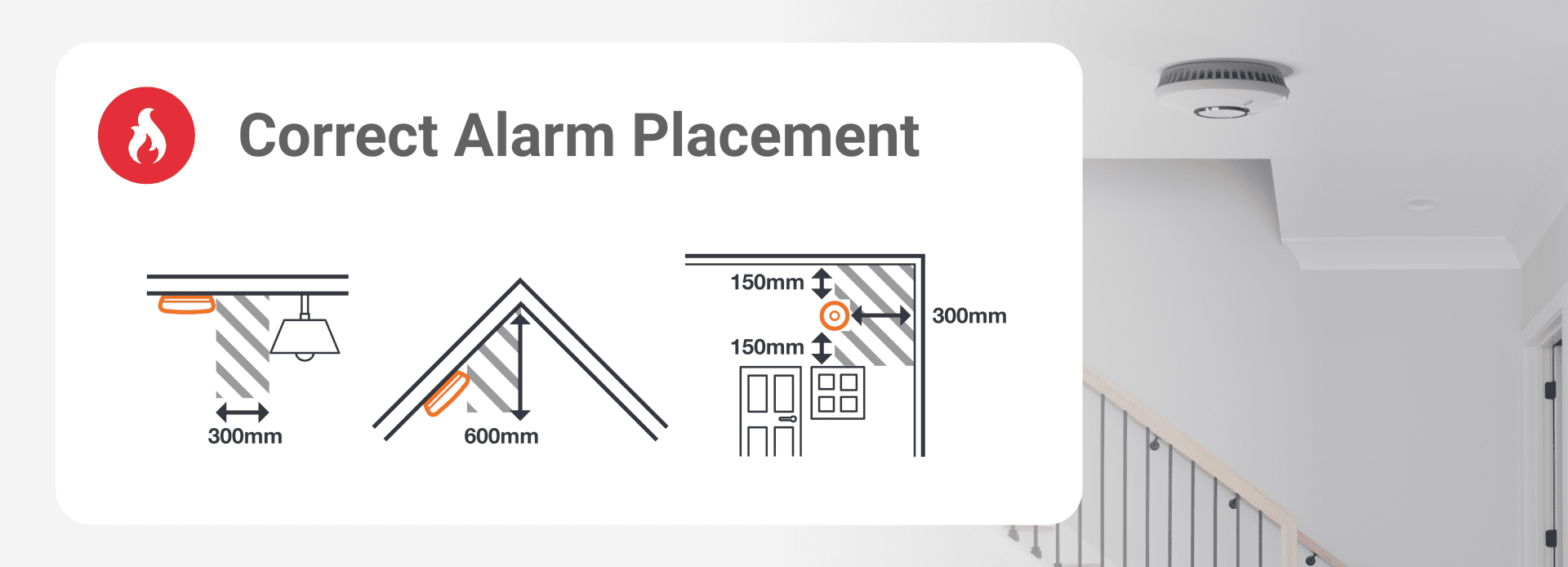
Incorrect placement makes false alarms more likely. Alarms installed directly next to kitchens or bathrooms are more prone to being triggered unnecessarily.
Tip: Follow official placement guidelines. Alarms should be central but not next to steam or cooking sources.
10. Interconnected alarms triggering from another unit
If your alarms are interlinked, such as with FireAngel Pro Connected alarms, one unit detecting an issue causes all connected alarms to sound.
Tip: Identify which alarm activated first by the unique chirp pattern to find out if it is a CO, heat or smoke alert.
How to reduce false alarms
- Clean and maintain your alarms regularly.
- Ensure alarms are installed in the recommended positions.
- Replace units when they reach their end-of-life.
Simple checks and maintenance can reduce the chances of nuisance alarms and help ensure lasting reliability.
Speak to an expert
False alarms can be disruptive, but the reassurance of knowing your home or property is protected is invaluable. FireAngel alarms are trusted by homeowners, landlords and trade professionals across the UK. With innovative features such as interlinking and smart connectivity, FireAngel provides reliable protection that is simple to install and easy to maintain.
If you need advice on choosing the right alarms for your home, rental property or housing stock, speak to an expert today.


