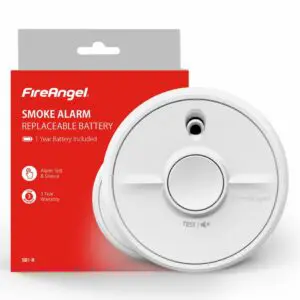
If your smoke alarm or smoke detector is beeping without any sign of smoke or fire, you’re not alone. False alarms are a common issue in many homes, but they should never be ignored.
Understanding the causes of smoke alarm false alarms can help you quickly identify the problem, stop the beeping, and prevent it from happening again. This guide explains the most common triggers, how to reset your smoke alarm, and practical steps to reduce false alarms in the future.
Quick fix: What to do if your smoke alarm is beeping
If your smoke alarm is going off unexpectedly, try these steps first:
- Check for any real signs of smoke or fire.
- Press the hush or silence button on the alarm.
- Open windows or turn on ventilation to clear the air.
- Identify which alarm triggered first if your alarms are interlinked.
- Check whether the alarm is chirping due to a low battery.
If the beeping continues after these steps, the alarm may be responding to environmental conditions, maintenance issues, or an ageing sensor.
Understanding the type of smoke alarm sound
The sound your smoke alarm makes can often indicate what the problem is.
A single chirp every 30–60 seconds usually means the battery is low or the alarm has reached the end of its life. Replacing the battery or the unit should resolve the issue.
A continuous loud alarm generally means the detector senses smoke or particles in the air. Steam, cooking fumes, or dust can sometimes trigger this.
If your smoke alarm goes off at night, it may be related to humidity changes, cooler temperatures affecting the battery, or condensation inside the sensor.
If multiple alarms sound at the same time, it is likely that an interlinked alarm system has been triggered.
Common causes of smoke alarm false alarms
There are several reasons why a smoke detector may trigger a false alarm. Understanding these causes can help you fix the problem and prevent it from happening again.
Steam from cooking or bathrooms
Why it happens
Steam from boiling kettles, cooking food, or hot showers can mimic smoke particles and activate some smoke alarms.
How to fix
Ventilate the room by opening windows or turning on extractor fans. You can also press the hush button to silence the alarm temporarily.
Prevent it
Install smoke alarms away from kitchens and bathrooms. In kitchen areas, consider installing a heat alarm instead of a smoke detector.
Cooking fumes
Why it happens
Smoke from burnt food or cooking fumes can trigger smoke detectors if they are installed too close to cooking appliances.
How to fix
Ventilate the area and allow the air to clear before resetting the alarm.
Prevent it
Install smoke alarms several metres away from cooking areas. We would recommend fitting a heat alarm specifically designed for kitchens.
Dust and debris
Why it happens
Dust build-up inside the sensor can interfere with detection and cause false smoke alarms.
How to fix
Clean the alarm carefully using a vacuum cleaner or compressed air.
Prevent it
Clean your smoke detector regularly, especially after DIY work, renovations, or long periods without maintenance.
Aerosols and household sprays
Why it happens
Aerosol sprays such as deodorants, hairsprays, cleaning products, or air fresheners release fine particles into the air. These particles can sometimes be detected by a smoke alarm sensor, which may interpret them as smoke and trigger a false alarm.
How to fix
If an aerosol spray triggers your smoke alarm, ventilate the room by opening windows or turning on a fan to help clear the air. Use the hush or silence button if your alarm has one.
Prevent it
Avoid spraying aerosols directly underneath or near your smoke alarm. When using sprays, ensure the area is well ventilated and allow the particles to disperse before they reach the detector.

Insects inside the alarm
Why it happens
Small insects can enter the alarm housing and interfere with the sensor.
How to fix
Remove the alarm from its base and gently clean it to remove any debris or insects.
Prevent it
Regular cleaning and proper installation can help minimise this issue. You can also choose to fit an alarm that has bug mesh built in, to deter this false alarm.
High humidity
Why it happens
High humidity or condensation can resemble smoke particles to some detectors and trigger a false alarm.
How to fix
Improve ventilation and reduce moisture levels in the room.
Prevent it
Avoid installing smoke alarms close to bathrooms, laundry rooms, or areas where moisture is common.
Low or dying battery
Why it happens
A low battery typically causes the alarm to chirp intermittently.
How to fix
Replace the battery immediately.
Prevent it
Consider installing alarms with sealed 10-year batteries to reduce maintenance and prevent repeated battery warnings.
Incorrect smoke alarm placement
Why it happens
Airflow from vents, windows, or fans can interfere with the sensor and trigger a false alarm.
How to fix
Check whether the alarm is located near drafts or strong air movement.
Prevent it
Ensure smoke alarms are installed away from vents, windows, and fans, and positioned according to manufacturer guidelines. Take a look at our complete guide to installing alarms in your home.
Why are all my smoke alarms going off at once?
If your home has interlinked smoke alarms, one triggered alarm will activate all alarms in the system. This is an important safety feature that ensures everyone in the home is alerted if smoke is detected.
To identify the alarm that triggered first:
- Look for the alarm with the flashing LED indicator.
- Check the surrounding area for smoke, steam, or dust.
- Clean the alarm if necessary.
- Reset the system once the issue has been resolved.
Find out more about our Pro Connected solution that provides smart, seamless protection
How to reset your smoke alarm after a false alarm
If your smoke alarm continues beeping after the air has cleared, you may need to reset it.
Follow these steps:
- Press and hold the reset button for around 15–20 seconds.
- Wait for the alarm to stop sounding.
- Remove the alarm from the base plate if necessary.
- Clean the unit using a vacuum or soft brush.
- Reinstall the battery or reconnect the power supply.
- Test the alarm to make sure it is working correctly.
How to reduce smoke alarm false alarms
There are several simple steps you can take to reduce false alarms from your smoke detector.
- Install alarms away from kitchens, bathrooms, and ventilation systems.
- Clean smoke alarms regularly to remove dust and debris.
- Use heat alarms in kitchens where cooking fumes are common.
- Ensure alarms are installed in recommended locations such as hallways and landings.
- Choose modern alarms with Smart Silence features or photoelectric sensors designed to reduce nuisance alarms.
With regular maintenance and testing, you can improve your smoke alarm’s longevity and accuracy.
Read our guide on maintaining and testing your FireAngel smoke alarm to understand how to ensure your alarm performs its best for longer.
When should you replace your smoke alarm?
Smoke alarms should not last forever. Over time, the sensors inside the unit can become less reliable.
You should consider replacing your smoke alarm if:
- The alarm is older than its ‘Replace by’ date, which you can find on the back of the product
- False alarms continue after cleaning
- The unit gives fault warnings or end-of-life signals
Replacing older alarms helps maintain reliable fire detection and ensures your home remains properly protected.
If you need to replace any of your smoke alarms, explore our wide range of battery and mains powered alarms.
FAQs
Why does my smoke alarm go off at night?
Smoke alarms may activate at night due to temperature changes, humidity, condensation, or low battery levels.
Can steam trigger a smoke alarm?
Yes. Steam from showers, kettles, or cooking can mimic smoke particles and trigger some smoke detectors.
What does a chirping smoke alarm mean?
A chirping smoke alarm usually indicates a low battery or an end-of-life warning rather than a fire alert.
How can I reduce smoke alarm false alarms?
You can reduce false alarms by cleaning your alarms regularly, installing them away from kitchens and bathrooms, and using heat alarms in areas where smoke or steam is common.